Lanelist is Now Available: Find Transporter Lanes All Over Europe!
In short: Lanelist is Now Available: Find Transporter Lanes All Over Europe! In today's fastpaced logistics and transportation industries, efficiency and connectivity are paramount.
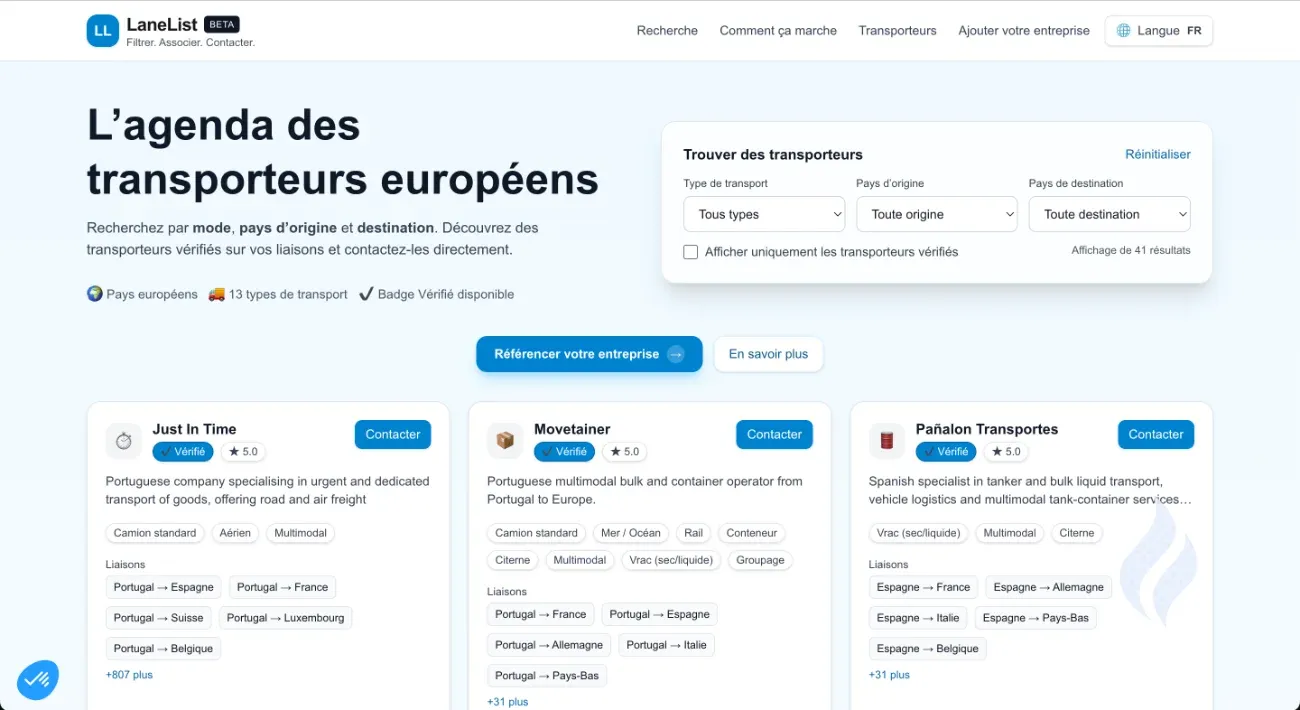
Lanelist is Now Available: Find Transporter Lanes All Over Europe!
In today's fast-paced logistics and transportation industries, efficiency and connectivity are paramount. With the launch of Lanelist, a revolutionary platform designed to connect transporters with available lanes across Europe, businesses can now streamline operations, reduce empty miles, and optimize fleet utilization like never before.
This comprehensive article explores everything you need to know about Lanelist — from its core features and benefits to practical applications and best practices for transport companies and logistics professionals. By the end, you will understand why Lanelist is becoming an indispensable tool for the European transport ecosystem.
Table of Contents
- What is Lanelist?
- Why Europe Needs a Platform Like Lanelist
- Core Features of Lanelist
- How Lanelist Enhances Transport Operations
- Integrating Lanelist with Modern Workflows
- Business Benefits and ROI
- Tips for Maximizing Lanelist Usage
- Potential Challenges and How to Overcome Them
- About Hestia Innovation: The Power Behind Lanelist
- FAQ
What is Lanelist?
Lanelist is a cutting-edge digital platform that connects transporters with available lanes across Europe. Essentially, it acts as a dynamic marketplace where transport companies, freight forwarders, and shippers can find and offer transport lanes in real time.
How Does Lanelist Work?
- Lane Discovery: Transporters can search for available lanes matching their routes and capacity.
- Listing Availability: Companies can list their lanes that need transporters, increasing visibility.
- Real-Time Updates: The platform updates availability dynamically to ensure accurate data.
- Matching Algorithm: Advanced algorithms suggest optimal matches based on route, timing, and load requirements.
Key Differentiators
Unlike traditional load boards or fragmented market places, Lanelist focuses on transporter lanes rather than individual shipments, offering a macro-level view of route capacities and opportunities. This approach allows for more strategic planning and reduced empty runs.
Why Europe Needs a Platform Like Lanelist
The European Transport Landscape
Europe’s transport sector is highly fragmented, with thousands of small to medium-sized operators navigating complex international routes. Challenges include:
- High Empty Kilometer Rates: Studies indicate that up to 25-30% of truck kilometers are driven empty, leading to wasted fuel and costs.
- Regulatory Complexities: Cross-border operations require meticulous planning.
- Demand Fluctuations: Seasonal and regional variations create supply-demand mismatches.
Addressing Inefficiencies
Lanelist’s lane-centric model directly addresses these inefficiencies by:
- Providing visibility into unused lanes.
- Enabling better capacity matching.
- Facilitating collaboration across borders.
This not only improves operational efficiency but also contributes to sustainability by reducing unnecessary emissions.
Core Features of Lanelist
1. Comprehensive Lane Database
Lanelist aggregates data from multiple transporters and shippers, creating a robust database of available lanes across Europe.
2. Advanced Search and Filtering
Users can filter lanes based on:
- Origin and destination countries/cities
- Lane frequency
- Vehicle types and capacity
- Time windows and deadlines
3. Real-Time Notifications
Transporters receive instant alerts when lanes matching their criteria become available, enabling rapid response.
4. Secure Communication Channels
The platform facilitates direct, secure communication between parties to negotiate terms and finalize contracts.
5. Analytics and Reporting
Users can access insights on lane usage, pricing trends, and operational performance to inform strategic decisions.
6. Integration Capabilities
Lanelist supports API integration with popular TMS (Transport Management Systems), CRMs, and workflow automation tools.
How Lanelist Enhances Transport Operations
Reducing Empty Runs and Increasing Utilization
By revealing available lanes, Lanelist allows transporters to plan routes that minimize empty return trips, increasing overall vehicle utilization.
Optimizing Route Planning
Access to granular lane data helps logistics planners optimize multi-leg journeys, saving time and fuel.
Expanding Market Reach
Transporters gain access to lanes beyond their traditional networks, opening new business opportunities.
Enhancing Customer Service
Faster lane discovery translates into quicker response times and better reliability for clients.
Integrating Lanelist with Modern Workflows
Leveraging Hestia Innovation’s Expertise
Hestia Innovation, the creative force behind Lanelist, specializes in building smart websites and AI/no-code workflows tailored for premium service businesses. Their expertise ensures that Lanelist seamlessly integrates with existing systems, including:
- UX/UI Design: Intuitive interfaces for easy adoption.
- Next.js Development: Fast, SEO-optimized web experience.
- CRM Integrations: Synchronize client and transport data.
- Automation Tools: Using Make and Zapier to automate lane matching and notifications.
Practical Integration Examples
| Use Case | Benefit | Implementation Tip |
|---|---|---|
| Automated Lane Alerts via CRM | Immediate notification to sales teams | Connect Lanelist with CRM using Zapier |
| Workflow Automation for Booking | Reduce manual data entry | Use Make to trigger booking workflows |
| Data Analytics Dashboard | Monitor lane utilization trends | Integrate with BI tools for deep insights |
Business Benefits and ROI
Quantifiable Advantages
- Cost Savings: Reducing empty kilometers can save up to 10-15% in fuel and operational costs.
- Increased Revenue: Access to additional lanes expands capacity utilization, potentially increasing revenue by 20%.
- Time Efficiency: Automated workflows reduce administrative overhead by 30-40%.
Strategic Benefits
- Competitive Edge: Early adopters gain market advantage through enhanced connectivity.
- Sustainability Goals: Lower emissions contribute to corporate social responsibility.
- Customer Satisfaction: Faster, more reliable deliveries improve client retention.
Tips for Maximizing Lanelist Usage
- Regularly Update Lane Listings: Keep your lane availability current to attract the right transporters.
- Leverage Automation: Use integrations with Make or Zapier to automate notifications and booking processes.
- Analyze Data Trends: Use the platform’s analytics to identify high-demand lanes and optimize your offerings.
- Train Your Team: Ensure your logistics and sales teams understand how to use Lanelist effectively.
- Build Strong Partnerships: Use secure communication features to negotiate and build long-term collaborations.
Potential Challenges and How to Overcome Them
| Challenge | Explanation | Recommended Solution |
|---|---|---|
| Data Accuracy | Outdated lane information can lead to missed opportunities | Implement automated data validation and frequent updates |
| Integration Complexity | Difficulties connecting with legacy TMS or CRM systems | Use no-code tools and APIs for flexible, low-code integration |
| Adoption Resistance | Users reluctant to change established workflows | Provide comprehensive training and demonstrate ROI |
| Language Barriers | Cross-border communication challenges | Utilize multilingual support and standardized communication templates |
About Hestia Innovation: The Power Behind Lanelist
Hestia Innovation is a leader in designing bright, user-centric websites and AI/no-code workflows tailored for premium service businesses. Their expertise spans:
- UX Design: Crafting intuitive, engaging user experiences.
- Next.js Development: Building high-performance, SEO-friendly web applications.
- CRM Integrations: Connecting platforms for seamless data flow.
- Automation Expertise: Implementing Make and Zapier automations to streamline operations.
- Coaching and Support: Empowering teams to regain control over their workflows.
Their innovative approach ensures that platforms like Lanelist are not only technologically advanced but also highly practical and user-friendly.
FAQ
1. What types of transport lanes can I find on Lanelist?
Lanelist covers a wide range of transport lanes across Europe, including road freight lanes for trucks of various sizes, cross-border routes, and specialized lanes for different cargo types.
2. How does Lanelist ensure the accuracy of lane availability?
The platform uses real-time data feeds combined with user inputs and automated validation mechanisms to maintain up-to-date lane information.
3. Can Lanelist integrate with my existing Transport Management System (TMS)?
Yes, Lanelist supports API-based integrations and can connect with popular TMS and CRM platforms, enabling seamless workflow automation.
4. Is Lanelist suitable for small and medium-sized transport companies?
Absolutely. Lanelist is designed to be accessible and scalable, providing benefits for businesses of all sizes looking to optimize lane utilization.
5. How does Lanelist contribute to sustainability in transport?
By reducing empty runs and improving route planning, Lanelist helps lower fuel consumption and emissions, supporting greener logistics practices.
6. What support is available for new users?
Hestia Innovation provides coaching, training materials, and technical support to help new users quickly adopt and maximize the platform’s potential.
Conclusion
Lanelist is a transformative platform that addresses one of the most persistent challenges in European transport logistics: inefficient lane utilization. By offering a comprehensive, real-time marketplace for transporter lanes, it empowers businesses to reduce costs, increase revenue, and contribute to sustainability goals.
Backed by the expert development and workflow automation capabilities of Hestia Innovation, Lanelist is not just a tool but a strategic asset for transporters, shippers, and logistics providers aiming to thrive in a competitive market.
Adopting Lanelist today means gaining a clear advantage in operational efficiency and market reach — a decisive step toward smarter, greener, and more profitable transport management across Europe.